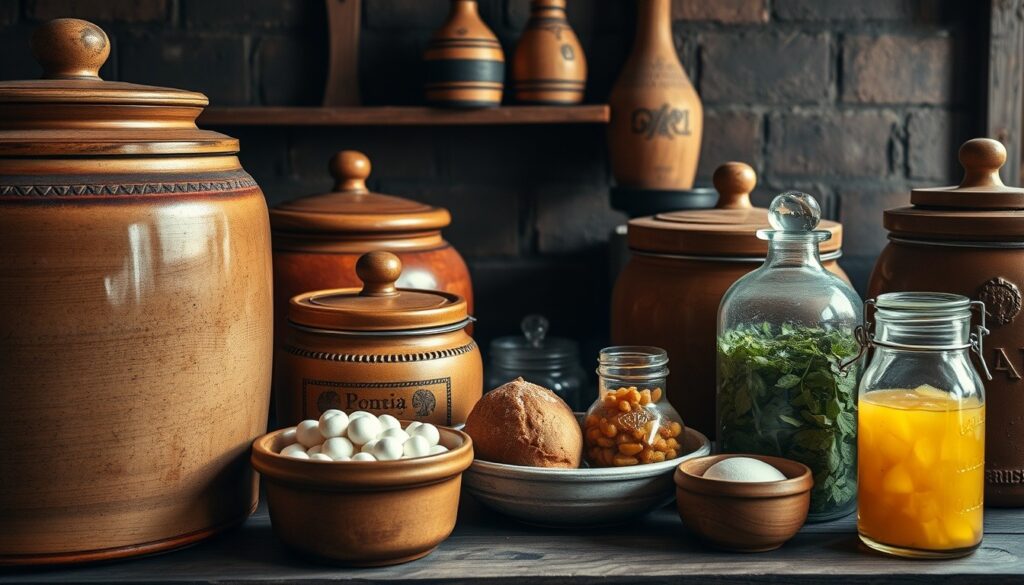
Unearthing the Twin Cities’ Microbial Gold: Your Guide to Heritage Fermentation with ‘The Master Fermenter’
In the heart of the Midwest, where four distinct seasons dictate our culinary rhythms, the art of food preservation has always been more than a craft; it’s a legacy. From the Indigenous traditions of preserving wild rice and berries to the hearty pickling and curing brought by generations of European settlers, Minneapolis and St. Paul boast a rich, yet often overlooked, heritage of transforming raw ingredients into vital, flavorful sustenance. Today, as we embrace a renewed interest in local foods and sustainable living, there’s a powerful resurgence in kitchen chemistry – specifically, the ancient practice of wild fermentation.
Imagine harnessing the unseen magic of the Twin Cities’ unique microbial ecosystem, transforming humble cabbage into tangy sauerkraut, or flour and water into a vibrant sourdough starter that breathes with the very air of Minnesota. This isn’t just about preserving food; it’s about unlocking profound flavors, enhancing nutritional value, and connecting deeply with our regional history and environment. Our definitive guide, inspired by the groundbreaking research of The Master Fermenter: Heritage American Kitchen Chemistry, Wild Fermentation, & Culinary Microbiology, invites you to become a culinary alchemist in your own Twin Cities kitchen.
The Twin Cities’ Fermented Roots: A Microclimatic Goldmine
The success of wild fermentation is intimately tied to its environment. Here in the Twin Cities, our distinct geography and climate offer a fascinating microbial canvas. The long, cold winters historically necessitated robust preservation techniques, while our fertile summers yield an abundance of produce. The Mississippi River Valley creates unique microclimates, influencing everything from the soil’s composition to the ambient microbial populations floating in our air and clinging to our local produce.
“Every wild ferment in Minneapolis carries the invisible signature of our lakes, our prairies, and our urban canopy – a living taste of home.”
Our Scandinavian and German immigrant communities, in particular, brought with them a deep knowledge of lacto-fermentation – practices essential for survival and culinary delight through long winters. This historical blueprint, combined with modern scientific understanding, allows us to tap into an invisible network of beneficial bacteria and yeasts unique to our region. When you source local ingredients, you’re not just supporting area farmers; you’re also inviting the specific microbial ‘terroir’ of Minnesota into your ferments, creating truly unique flavors impossible to replicate elsewhere.
Core Protocol 1: Cultivating Your Local Microbial Terroir
The foundation of any successful heritage fermentation lies in high-quality, locally sourced ingredients. For the Twin Cities fermenter, this means embracing our seasonal bounty and understanding the subtle influence of our regional ecosystem.
Sourcing for Success:
- Farmers’ Markets are Your Friend: Visit the Mill City Farmers Market or the St. Paul Farmers’ Market. Talk to farmers about their growing practices. Organically or sustainably grown produce often carries a richer, more diverse microbial community on its surface – precisely what you want for wild fermentation.
- Heirloom Varieties: Seek out heirloom fruits and vegetables. These older varieties often possess a more robust flavor profile and unique sugars that fermentation organisms adore.
- Water Quality Matters: If your tap water is chlorinated, the chlorine can inhibit beneficial microbes. Consider using filtered, non-chlorinated water for your brines and starters. Let tap water sit out for 24 hours to allow chlorine to dissipate.
Imagine a vibrant ‘Twin Cities Seasonal Harvest’ table in our magazine, guiding you on when to find peak produce for pickling, sauerkrauting, and more, from spring radishes to autumn cabbages.
Core Protocol 2: The Art of Brine – Your Heritage Sauerkraut Blueprint
Sauerkraut is arguably the gateway to heritage fermentation, a deceptively simple process with profound results. This blueprint, derived from centuries of practice, harnesses naturally occurring lactic acid bacteria (LAB) to transform humble cabbage into a probiotic powerhouse.
The Minneapolis Kraut Method:
- Ingredients:
- 5 lbs fresh, organic green cabbage (preferably local, from a Twin Cities farm)
- 3-4 tablespoons non-iodized sea salt (e.g., Redmond Real Salt, Celtic Sea Salt)
- Optional flavorings: 1 tsp caraway seeds, juniper berries, or local apple slices for subtle sweetness.
- Preparation: Core and finely shred the cabbage. In a large bowl, combine cabbage and salt. Massage vigorously for 10-15 minutes until brine begins to form at the bottom of the bowl. The salt draws water out of the cabbage, creating the anaerobic (oxygen-free) environment crucial for LAB.
- Packing: Firmly pack the salted cabbage into a clean, wide-mouthed glass jar (quart or half-gallon). Press down to eliminate air pockets. The brine should rise above the cabbage. If not, make a supplemental brine (1 tsp salt per cup of water) and add it to cover.
- Weighting & Sealing: Place a smaller plate or a clean fermentation weight on top of the cabbage to keep it submerged under the brine. Cover the jar loosely with a lid or a cloth secured with a rubber band. An airlock lid is ideal for minimizing oxygen exposure while allowing gases to escape.
- Fermentation: Store at cool room temperature (60-70°F or 15-21°C) away from direct sunlight. Higher temperatures accelerate fermentation but can lead to softer kraut. In the Twin Cities, a cool pantry or basement is often ideal. Ferment for 2-4 weeks. Taste periodically after 1 week. It’s ready when it achieves your desired tang and texture.
- Storage: Once fermented to your liking, transfer to smaller jars, ensuring the kraut remains submerged in its brine, and refrigerate. It will continue to ferment slowly but will last for months.
Refer to a clear diagram in the print edition illustrating the proper layering and weighting of cabbage in a jar for optimal kraut production. For more in-depth guidance on safe home food preservation, consult resources from the USDA’s National Institute of Food and Agriculture.
Core Protocol 3: Awakening Wild Yeast – Your Sourdough Journey
Beyond vegetables, capturing wild yeast from our Twin Cities environment to create a sourdough starter is a deeply rewarding experience. This living culture forms the heart of traditional bread baking, imparting unparalleled flavor and digestibility.
Building Your Twin Cities Sourdough Starter:
Ingredients: Whole-grain flour (rye or whole wheat are excellent choices for capturing wild yeasts; consider local heritage grains), non-chlorinated water.
- Day 1 (Initiation): In a clean glass jar, combine 50g whole-grain flour with 50g non-chlorinated water. Mix well until no dry spots remain. Cover loosely and place in a warm spot (70-75°F or 21-24°C) in your kitchen.
- Day 2-3 (Waiting & Observing): You might see little to no activity. Don’t worry! Wild yeasts and bacteria are beginning to colonize.
- Day 3-5 (Feeding Schedule Begins): You might start to see small bubbles or a faint sour smell. Discard all but 50g of your starter. Add 50g fresh whole-grain flour and 50g non-chlorinated water. Mix thoroughly. Repeat this feeding process every 12-24 hours.
- Active Starter: Within 7-14 days, your starter should consistently double in size within 4-8 hours after feeding, exhibit a pleasant tangy aroma, and be full of bubbles. This indicates it’s strong enough to leaven bread.
This process connects you to a lineage of baking stretching back millennia, a tradition vital in the pioneer kitchens of Minnesota. You can find more about historical kitchen practices and self-sufficiency at sites preserved by the National Park Service.
Beyond the Basics: Heritage Fermented Beverages & The Economic Link
Once you’ve mastered cultured vegetables and sourdough, explore the broader world of heritage fermented beverages. Think about making your own kvass from local rye bread, or lacto-fermented sodas using seasonal fruit and a whey starter. These not only offer unique flavors but are also packed with probiotics.
Historically, home fermentation and food preservation were critical for economic stability and food security, especially in regions with distinct growing seasons like Minnesota. The ability to preserve a bountiful harvest meant families could sustain themselves through lean months, significantly impacting household budgets and local economies. Research from the Federal Reserve Archival System for Economic Research (FRASER) offers fascinating insights into how food costs and preservation efforts shaped American households through the decades, underscoring the enduring economic value of these heritage skills.
Unlock Your Inner Master Fermenter!
This article is just a taste of the incredible world of heritage kitchen chemistry. Dive deeper into the science and actionable protocols with the full hardcover edition, The Master Fermenter: Heritage American Kitchen Chemistry, Wild Fermentation, & Culinary Microbiology. For hands-on learning, explore the companion masterclass on TodaysCourse, where you’ll receive step-by-step video instruction and expert guidance to elevate your fermentation journey.
Embrace Your Minneapolis Fermentation Journey
Embracing heritage fermentation is more than just a culinary trend; it’s a reconnection to ancestral knowledge, a celebration of local ingredients, and a delicious way to boost your health. In Minneapolis and the Twin Cities, with our rich agricultural backdrop and vibrant food scene, you have all the resources at your fingertips to begin this rewarding journey.
From the first crunch of homemade sauerkraut to the satisfying aroma of freshly baked sourdough, you’ll discover a world of flavor and vitality, transforming your kitchen into a laboratory of living foods. So, gather your local ingredients, trust the invisible forces of nature, and become a Master Fermenter in your own right – enriching your palate, your health, and your connection to Minnesota’s enduring heritage.
Deepen Your Mastery: The Complete Reference Suite
This research is derived from the definitive edition of The Master Fermenter: Heritage American Kitchen Chemistry, Wild Fermentation, & Culinary Microbiology, published by Mestizo Media Group and available for $19.99 on the DC Life Gallery Store and major booksellers.
To access the accompanying 5-module video masterclass, student field worksheets, and soil chemistry blueprints, enroll in the companion course on TodaysCourse Academy.
Curated Literature & Minneapolis Downtown Calendar
The Architecture of Focus: Deep Work & Modern Mastery
By Founders Library Press
A structured framework for strategic clarity, productivity, and authentic execution.
Upcoming Downtown Happenings
Live acoustic sessions, gallery receptions, literary salons, and independent trade shows across Minneapolis.