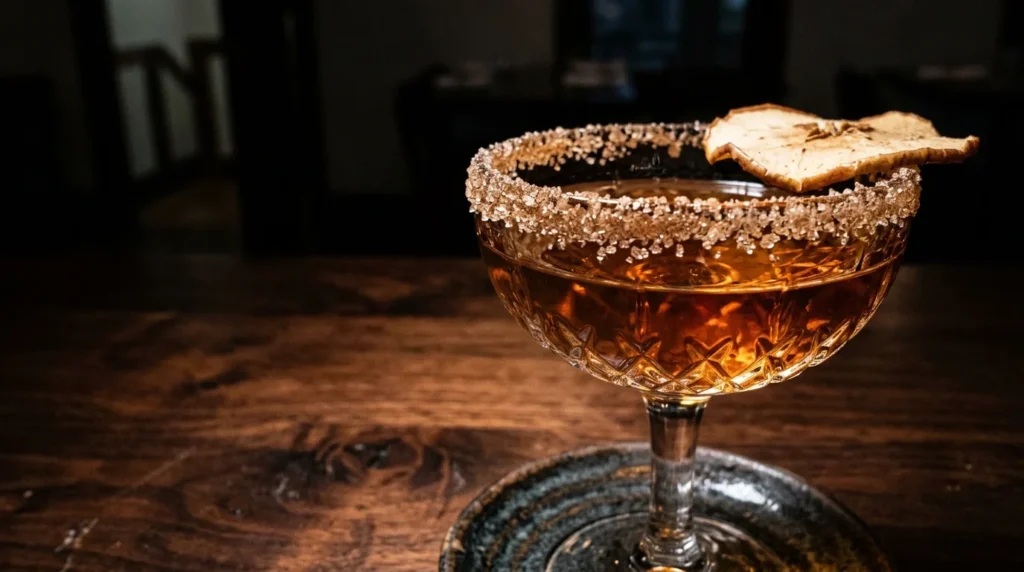
The brisk Minneapolis autumn air, sweeping in from Lake Harriet, calls for the comforting warmth of seasonal drinks. As frosted mornings arrive across the North Loop, many seek traditional apple cider cocktail recipes, connecting to a deep culinary lineage that dates back to colonial American hearths. This practice involves blending robust ciders with spirits and spices, offering a genuine taste of heritage.
Embracing these classic preparations means honoring time-tested techniques and celebrating the rich flavors of a Minnesota harvest. Our community, known for its progressive spirit and dedication to local provenance, naturally gravitates towards beverages that reflect both history and responsible sourcing. These cocktails pair perfectly with the luxury layering of heavyweight tailored wool-cashmere coats and structured leather clutches for an evening out.
How Did Apple Cider Cocktails Shape Early American Drink?
Early American settlers relied heavily on cider, as apples were abundant and water was often unsafe. This fermented apple beverage formed a cornerstone of colonial life, evolving into various preparations, including cocktails. Exploring this history reveals the practical ingenuity of early mixology, using what was available. The Minnesota History Center in Saint Paul often highlights such historical foodways, showcasing connections between past and present culinary practices in the region.
Colonial drink traditions often involved fortifying cider with spirits like rum or early whiskeys, then enriching the mixture with spices such as cinnamon, nutmeg, or cloves. These additions not only enhanced flavor but also provided medicinal warmth during colder months. Such practices laid the groundwork for the harvest bourbon cocktails and spiced apple cider drinks we enjoy today, demonstrating a continuous evolution of taste and technique.
What Essential Ingredients Define a Heritage Cider Cocktail?
A true heritage cider cocktail begins with unadulterated, quality apple cider, ideally unfiltered for depth of flavor. Complementary spirits like aged rye whiskey, apple brandy, or even a robust rum provide the alcoholic backbone, while aromatics such as smoked rosemary, whole spices, and a bright acidity from lemon or orange peel complete the profile. Sourcing these components locally ensures a connection to the regional harvest.
Minneapolis residents can find exceptional ingredients at markets like the Mill City Farmers Market, which transitions to its indoor winter market at the Mill City Museum, offering fresh produce and artisan goods. Local cideries provide excellent bases, such as those from the Minneapolis Cider Company in Marcey Holmes. Their approach blends centuries-old tradition with innovative flavors, making their ciders an ideal foundation for these heritage drinks. You might also find unique locally sourced fruits for pressing at the Minneapolis Farmers Market near Lyndale Avenue.
Crafting the Orchardman’s Elixir: A Seasonal Recipe
This recipe for an Orchardman’s Elixir draws on colonial principles, balancing the crispness of apple cider with the warmth of rye and a hint of smoke. It offers a refined approach to classic fall craft cocktails, emphasizing specific technique for a balanced, aromatic result.
Prep Time: 10 minutes
Cook Time: 5 minutes (for warming cider)
Total Time: 15 minutes
Servings: 2
Ingredients:
- 1 sprig fresh rosemary, plus extra for garnish
- 1 cup (240ml) unfiltered apple cider
- 3 ounces (90ml) aged rye whiskey
- 1 ounce (30ml) fresh lemon juice
- 0.5 ounce (15ml) maple syrup (Grade B for richer flavor)
- 2 dashes aromatic bitters (such as Angostura)
- Apple slices or orange peel, for garnish
Instructions:
- Gently char one rosemary sprig with a kitchen torch or over a gas flame until lightly smoking. Place the smoked rosemary sprig into a heat-safe cocktail glass or lowball.
- In a small saucepan, warm the unfiltered apple cider over medium heat until it is steaming but not boiling (around 160°F or 70°C). This gentle heating reveals its inherent apple fragrance.
- Pour the warm cider over the smoked rosemary in the prepared glass. Allow the rosemary to steep for 2-3 minutes, infusing the cider with a subtle smoky aromatic base.
- Remove the rosemary sprig. In a separate mixing glass, combine the aged rye whiskey, fresh lemon juice, maple syrup, and aromatic bitters.
- Add a handful of ice to the mixing glass and stir vigorously for 20-30 seconds to chill and dilute the mixture properly.
- Strain the whiskey mixture into the cider-filled glass. The warm cider and chilled spirit will create a balanced temperature.
- Garnish each cocktail with a fresh rosemary sprig and an apple slice or a twist of orange peel. Serve immediately.
Cook’s Notes and Variations:
For a brighter profile, muddle a few fresh cranberries into the mixing glass with the whiskey. To enhance the regional heritage, consider using a cider from Urban Forage Winery and Cider House in South Minneapolis, known for their unique, historically evocative flavors like Herbed Cider. A small amount of apple brandy can replace a portion of the rye for a deeper apple essence. Adjust maple syrup to your preferred sweetness; heritage cocktails often lean less sweet.
The Orchardman’s Elixir offers a complex profile, ideal for crisp Minnesota evenings.
Where Can Minneapolis Find Inspired Cider Experiences?
Minneapolis and Saint Paul offer several distinct venues for appreciating heritage-inspired beverages. Number 12 Cider in the North Loop showcases traditional cider apple varieties like Dabinett and Kingston Black, reflecting a profound connection to apple cultivation history. This dedication to specific varietals delivers a robust foundation for unique cocktail creations, making it a destination for cider enthusiasts and mixologists alike. Their taproom provides a refined setting for savoring diverse cider expressions.
Across the river in Saint Paul, historic establishments like The Lexington on Grand/Summit Avenue offer a new riff on classic cocktails. Originally a speakeasy, it embodies the evolving traditions of American mixology, a perfect place to observe how colonial influences are interpreted today. W.A. Frost & Company in Cathedral Hill also provides an ambiance in its historic Victorian building, ideal for appreciating craft cocktails. This atmosphere encourages a thoughtful engagement with drink traditions. These locations provide more than just beverages; they offer a deeper sense of place and historical continuity for those who value Minneapolis’s unique culinary scene.
Minnesota’s craft beverage scene draws inspiration from centuries-old practices.
refining Your Autumn Gatherings
Hosting an autumn gathering means more than just serving drinks; it involves creating an atmosphere of warmth and connection. Offering a meticulously prepared heritage apple cider cocktail sets a distinct tone, reflecting thoughtfulness and an appreciation for provenance. Imagine guests, clad in merino and cashmere turtleneck mid-layers, gathered in a sustainably designed North Loop loft or a cozy home near Lake Harriet, enjoying these flavorful concoctions.
The act of preparing these apple cider cocktail recipes becomes a communal event, reflecting Minneapolis’s community-focused spirit. From sourcing apples at a local market to the careful balancing of flavors, each step celebrates the season and regional ingredients. This attention to detail transforms a simple drink into a memorable experience, strengthening social bonds and celebrating the heritage that enriches our modern lives.
Curated Literature & Minneapolis Downtown Calendar
The Architecture of Focus: Deep Work & Modern Mastery
By Founders Library Press
A structured framework for strategic clarity, productivity, and authentic execution.
Upcoming Downtown Happenings
Live acoustic sessions, gallery receptions, literary salons, and independent trade shows across Minneapolis.