Minneapolis and its Twin Cities boast an architectural tapestry woven with history. From the stately Victorians of Summit Avenue to the charming Craftsman bungalows of Tangletown, these homes are more than structures; they are custodians of our shared heritage. Yet, beneath their ornate facades, many face the challenges of aging infrastructure, soaring energy costs, and the biting cold of a Minnesota winter. What if you could preserve the soul of your historic home while transforming it into a beacon of modern efficiency, comfort, and sustainability? The authoritative research in The Heirloom Estate: Timeless Timber Framing, Passivhaus Engineering, & Historic Renovation offers a blueprint, perfectly adaptable for our beloved Twin Cities.
Our unique microclimate—defined by brutally cold winters and humid summers—makes energy efficiency not just a luxury but a necessity. The federal research highlights integrated approaches that speak directly to the challenges faced by homeowners here. By combining the enduring strength of traditional timber framing with the cutting-edge principles of Passivhaus engineering, and layering it with meticulous historic preservation, Twin Cities residents can unlock a future where their homes are both deeply rooted in the past and brilliantly prepared for tomorrow.
The Enduring Heart of the Home: Timeless Timber Framing
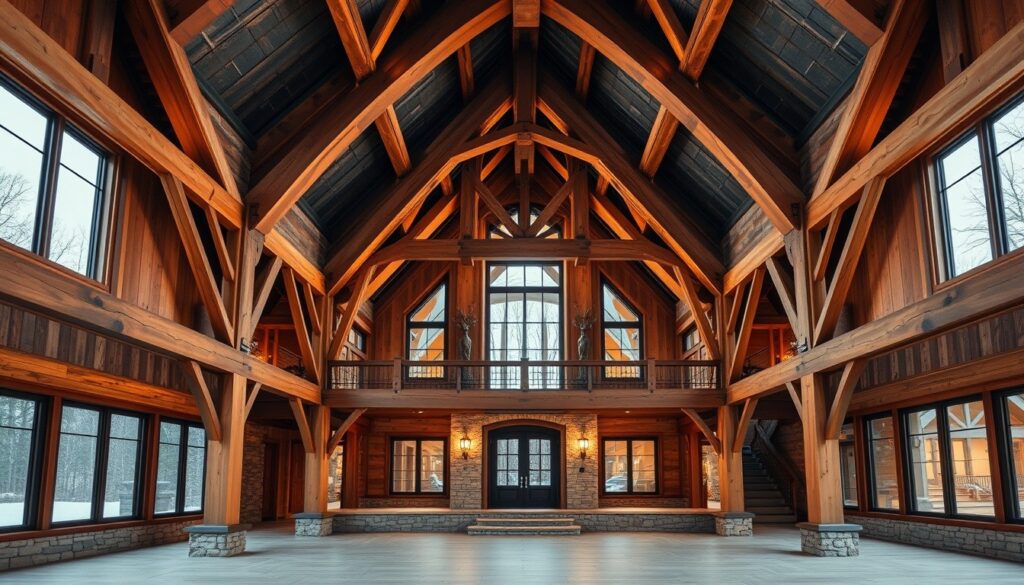
Before steel and concrete dominated construction, timber framing was the bedrock of American building, especially in timber-rich regions like Minnesota. The state’s logging boom, fueled by the Mississippi River, left a legacy of robust wood structures that have stood for over a century. Timber-framed homes are renowned for their inherent strength, durability, and natural insulating properties, forming a resilient core that resists the expansion and contraction common with seasonal temperature swings.
Modern adaptations of timber framing respect this legacy while integrating contemporary engineering. For historic homes, this can mean reinforcing existing timber elements, replacing compromised sections with new, sustainably sourced lumber, or even exposing original timber for aesthetic impact. The beauty lies in its versatility: timber framing allows for large, open spaces while providing exceptional structural integrity, a hallmark of lasting value. It’s an investment in the home’s very bones, ensuring its longevity for generations to come.
Actionable Advice for Timber Framing:
- Inspect & Reinforce: Have a structural engineer assess your home’s existing timber frame. Identify areas for reinforcement or repair.
- Sustainable Sourcing: When adding new timber, prioritize regionally sourced, sustainably harvested lumber. The USDA Forest Products Laboratory offers invaluable research on wood properties and sustainable forestry practices.
- Embrace Exposure: Consider exposing timber beams or posts in your renovation design to celebrate the craftsmanship and add architectural character.
Winter-Proofing with Precision: The Passivhaus Path for Minnesota
Passivhaus (or Passive House) is an international building standard focused on achieving ultra-low energy consumption, superior indoor air quality, and unparalleled comfort. For Minneapolis and the Twin Cities, where heating seasons are long and intense, Passivhaus principles offer a profound solution to energy inefficiency. Imagine a home so well-insulated and airtight that it requires minimal heating or cooling, even when the mercury plummets far below zero.
The core tenets of Passivhaus include:
- Super Insulation: Enveloping the entire building in a continuous, thick layer of insulation, minimizing heat transfer through walls, roof, and foundation.
- Airtightness: Meticulous sealing of the building envelope to prevent drafts and uncontrolled air leakage, crucial for preventing heat loss in winter and heat gain in summer.
- High-Performance Windows & Doors: Utilizing triple-pane windows with insulated frames that block thermal bridges and maximize solar gain in winter while minimizing it in summer.
- Thermal Bridge-Free Design: Eliminating points where heat can easily escape (e.g., where a wall meets a foundation, or through window frames).
- Ventilation with Heat Recovery (HRV/ERV): A balanced mechanical ventilation system that continuously supplies fresh air while recovering up to 90% of the heat from exhaust air, ensuring healthy indoor air without energy waste.
Applying these principles to a historic home might seem daunting, but it often involves strategic upgrades to the building’s envelope, cleverly concealed to maintain aesthetic integrity. The result is a dramatically reduced energy footprint, lower utility bills, and a healthier, more comfortable living environment year-round.
Diagrammatic Concept: Passivhaus Layers for a Historic Wall
Imagine your historic wall, from inside to out:
- Interior Finish: Original plaster or new drywall (breathable if possible).
- Airtight Layer: Meticulously sealed membrane or smart vapor retarder behind the interior finish.
- Existing Wall Structure: Original lath and plaster, brick, or timber framing.
- Additional Insulation: Dense-pack cellulose or mineral wool added to existing cavities, or an exterior layer of rigid insulation.
- Weather Resistive Barrier: Protecting the insulation from moisture.
- Ventilated Rainscreen Gap: Small air gap to allow exterior moisture to drain and walls to breathe.
- Exterior Finish: Restored original siding, brick, or new historically appropriate cladding.
This multi-layered approach dramatically improves thermal performance and airtightness without sacrificing historical character.
Honoring the Past, Building the Future: Historic Renovation Best Practices
Integrating modern energy efficiency with historic preservation is an art. It requires a deep understanding of the building’s original design, materials, and construction techniques. The goal isn’t to erase history but to sensitively enhance it, extending the home’s lifespan and reducing its environmental impact.
The Secretary of the Interior’s Standards for the Treatment of Historic Properties provides essential guidelines for respectful renovation. For Twin Cities homeowners, this means prioritizing repairs over replacement, using historically accurate materials and methods when possible, and ensuring that any new additions or alterations are reversible and compatible with the original structure.
For instance, upgrading windows might involve restoring original sashes and adding high-performance storm windows, or carefully installing new, historically accurate triple-pane units. Exterior insulation can be concealed behind new siding that matches the original profile and color, or by building out interior wall cavities. The key is collaboration with architects, builders, and craftspeople experienced in both historic preservation and advanced building science.
Actionable Advice for Historic Renovation:
- Research & Document: Understand your home’s architectural style, construction date, and original features. Historical photos and blueprints can be invaluable.
- Consult Experts: Engage an architect or contractor specializing in historic preservation and energy-efficient renovations.
- Prioritize Sensitive Upgrades: Focus on interventions that are reversible or minimally invasive, always adhering to local historic district guidelines (if applicable).
- Long-Term Value: Recognize that these renovations are not just about comfort and energy savings, but also about protecting an invaluable asset. Research from institutions like FRASER (Federal Reserve Archival System for Economic Research) often highlights the long-term appreciation and economic stability associated with well-maintained historic properties.
Unlock the Full Potential of Your Heirloom Estate
Inspired to transform your historic Twin Cities home? The insights shared here are just a glimpse into a wealth of knowledge. For a comprehensive guide with detailed blueprints, material specifications, and step-by-step protocols, delve into the full hardcover edition: The Heirloom Estate: Timeless Timber Framing, Passivhaus Engineering, & Historic Renovation. Further your expertise with our companion masterclass, available exclusively on TodaysCourse, where industry leaders provide practical demonstrations and deeper dives into these revolutionary techniques.
Visit TodaysCourse.com to secure your copy and enroll in the masterclass today!
Your Legacy, Reimagined
The intersection of historic preservation, robust timber framing, and advanced Passivhaus engineering offers Minneapolis and Twin Cities homeowners a powerful path forward. It’s an opportunity to honor the craftsmanship of the past while embracing the sustainable technologies of the future. By investing in these thoughtful, long-term renovations, you’re not just upgrading a house; you’re securing a legacy of comfort, efficiency, and timeless beauty for generations to come. Your heirloom estate awaits its green glory.
Deepen Your Mastery: The Complete Reference Suite
This research is derived from the definitive edition of The Heirloom Estate: Timeless Timber Framing, Passivhaus Engineering, & Historic Renovation, published by Mestizo Media Group and available for $19.99 on the DC Life Gallery Store and major booksellers.
To access the accompanying 5-module video masterclass, student field worksheets, and soil chemistry blueprints, enroll in the companion course on TodaysCourse Academy.
Curated Literature & Minneapolis Downtown Calendar
The Architecture of Focus: Deep Work & Modern Mastery
By Founders Library Press
A structured framework for strategic clarity, productivity, and authentic execution.
Upcoming Downtown Happenings
Live acoustic sessions, gallery receptions, literary salons, and independent trade shows across Minneapolis.