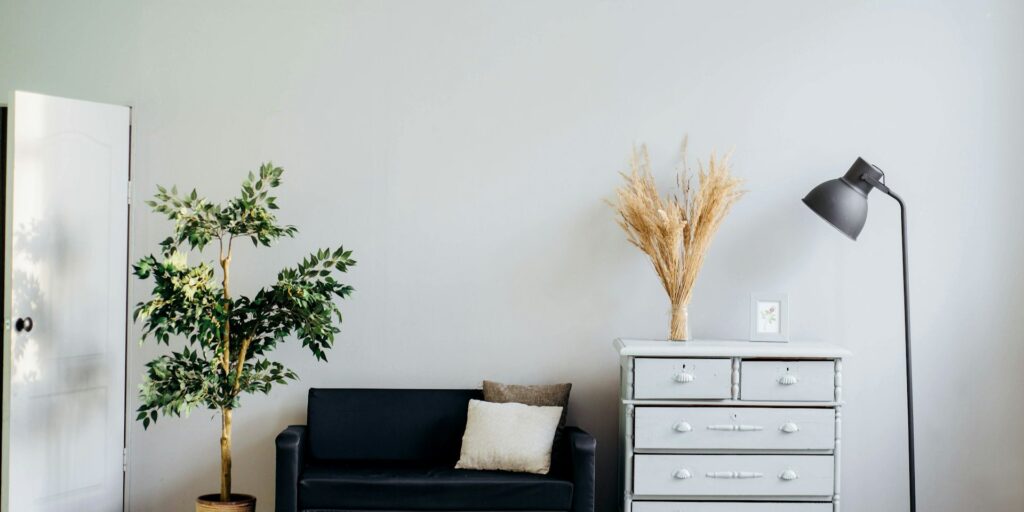
Minneapolis lives its connection to water, and this profound bond with nature moves indoors, shaping the progressive spirit found in several underrated Twin Cities neighborhoods.
Our region champions a sustainable lake-lifestyle, influencing everything from daily commutes to long-term home investments. Conscious design choices reflect a shared commitment to environmental health and community well-being. These choices create spaces that are as functional as they are beautiful.
Passive Solar Design for North Loop Lofts
Minneapolis homeowners increasingly look to intelligent design that maximizes natural light and warmth. This approach reduces energy consumption significantly. It lowers heating costs in our cold climate, creating inviting and efficient living spaces.
Passive solar principles matter deeply to residents of North Loop lofts. These revitalized urban spaces blend historic architecture with forward-thinking sustainability. Homeowners seek comfort and efficiency in these distinct city dwellings.
Designing for optimal sun exposure is a functional choice. It reflects a commitment to minimizing environmental impact. This thoughtful integration brings warmth and light into urban homes.
Rain Gardens and Permeable Pavers
Beyond their aesthetic appeal, rain gardens and permeable pavers serve vital ecological functions. These landscape features effectively manage stormwater runoff. They protect our beloved lakes, like Bde Maka Ska and Lake Harriet, from harmful pollutants.
This community-focused commitment to water stewardship protects a cherished regional heritage. It slows down and filters rainwater naturally. Homeowners contribute directly to the health of Minnesota’s pristine waters.
Local Artisan Collaborations for Interiors
Partnering with skilled Northeast Arts District artists brings distinct pieces into Minneapolis homes. These handcrafted interior elements are often made with sustainable materials. They support our local creative community.
This approach ensures items are crafted for enduring quality. It moves beyond mass-produced goods, reflecting purpose and local talent. Homeowners invest in pieces with character and lasting value.
Explore how local design integrates sustainability and art in the Twin Cities. This connection makes a significant environmental statement.
Recycled and Upcycled Materials
Incorporating reclaimed wood, recycled glass, or repurposed industrial elements adds distinct character. This choice significantly reduces waste in construction and design. It celebrates Minnesota’s resourcefulness and rich history in living spaces.
Homeowners who value sustainable design embrace these materials. They transform old into new, giving materials a second life. This practice lessens demand for virgin resources and minimizes landfill contributions.
Green Roofs and Vertical Gardens
Living installations like green roofs and vertical gardens improve building insulation. They enhance urban biodiversity and manage rainwater effectively. These features create beautiful, functional green spaces within the city footprint.
Progressive Minneapolis homeowners increasingly adopt these innovative green solutions. They seek to combat urban heat island effects. These installations also add natural beauty, benefiting both residents and local ecosystems.
Smart Home Systems for Energy Efficiency
Advanced smart home technology offers significant energy savings and convenience. Systems intelligently control lighting, heating, and cooling. They adapt to household rhythms, optimizing resource use throughout the day.
For our tech-savvy, environmentally conscious readers, these systems fit perfectly. They integrate modern living with eco-conscious goals. Homeowners reduce their carbon footprint without sacrificing comfort or control.
Discover efficient smart home tech enhancing eco-friendly living. This technology allows precise management of energy consumption.
Water-Saving Fixtures and Greywater Systems
Conscious water use holds paramount importance in a lake-centric community like Minneapolis. Low-flow fixtures and greywater recycling systems significantly reduce household water consumption. They align with our collective commitment to preserving Minnesota’s pristine waters.
Implementing these systems is a direct step towards greater sustainability. It conserves a precious natural resource. This practice supports the health and longevity of our regional waterways.
Native Plant Landscaping for Biodiversity
Choosing native Minnesota plants creates resilient, low-maintenance gardens. These landscapes support local pollinators and diverse wildlife. This approach reflects a deep connection to regional heritage and ecological health.
Native gardens thrive with less watering and fewer interventions. They are naturally adapted to our climate, requiring minimal care. Homeowners foster biodiversity directly in their own backyards.
Healthy Indoor Air Quality Solutions
Prioritizing low-VOC (volatile organic compound) paints and natural finishes ensures healthier indoor environments. Advanced ventilation systems further improve air circulation. This focus on well-being aligns with progressive values.
Our audience values health-conscious living. They seek homes free from harmful chemicals and allergens. Thoughtful material selection creates spaces that promote comfort and overall health for residents.
Adaptive Reuse with Eco-Integrity
Transforming existing structures, especially in areas like the North Loop or Northeast Arts District, reduces demand for new materials. This practice preserves architectural character and history. It is a highly sustainable choice.
Adaptive reuse honors the past while embracing modern eco-practices. It contributes to neighborhood identity. This approach avoids new construction’s environmental impact, giving old buildings new life and purpose.
Durable, Long-Lasting Materials
Investing in high-quality, long-lasting materials minimizes the need for frequent replacements. This applies to flooring, countertops, and exterior finishes. It proves both economically and ecologically sound over time.
A sustainable approach to home ownership means choosing items built to last decades. This reduces waste and resource consumption. Thoughtful material selection embodies a commitment to enduring quality and responsible living.
For those seeking community with a conscience, exploring these underrated Twin Cities neighborhoods offers a fresh perspective on urban living.
Each of these five underrated Twin Cities neighborhoods contributes to Minneapolis’s unique character, offering sustainable practices alongside a distinct aesthetic.
These eco-conscious design choices reflect more than a trend; they embody a commitment to the Minneapolis way of life. By integrating these principles, Twin Cities homeowners build spaces that truly resonate with our progressive, lake-lifestyle values, ensuring beauty and responsibility for generations to come.
Curated Literature & Minneapolis Downtown Calendar
The Architecture of Focus: Deep Work & Modern Mastery
By Founders Library Press
A structured framework for strategic clarity, productivity, and authentic execution.
Upcoming Downtown Happenings
Live acoustic sessions, gallery receptions, literary salons, and independent trade shows across Minneapolis.